
Rigid core vinyl flooring
SPC Flooring: 100% waterproof, beautifully realistic
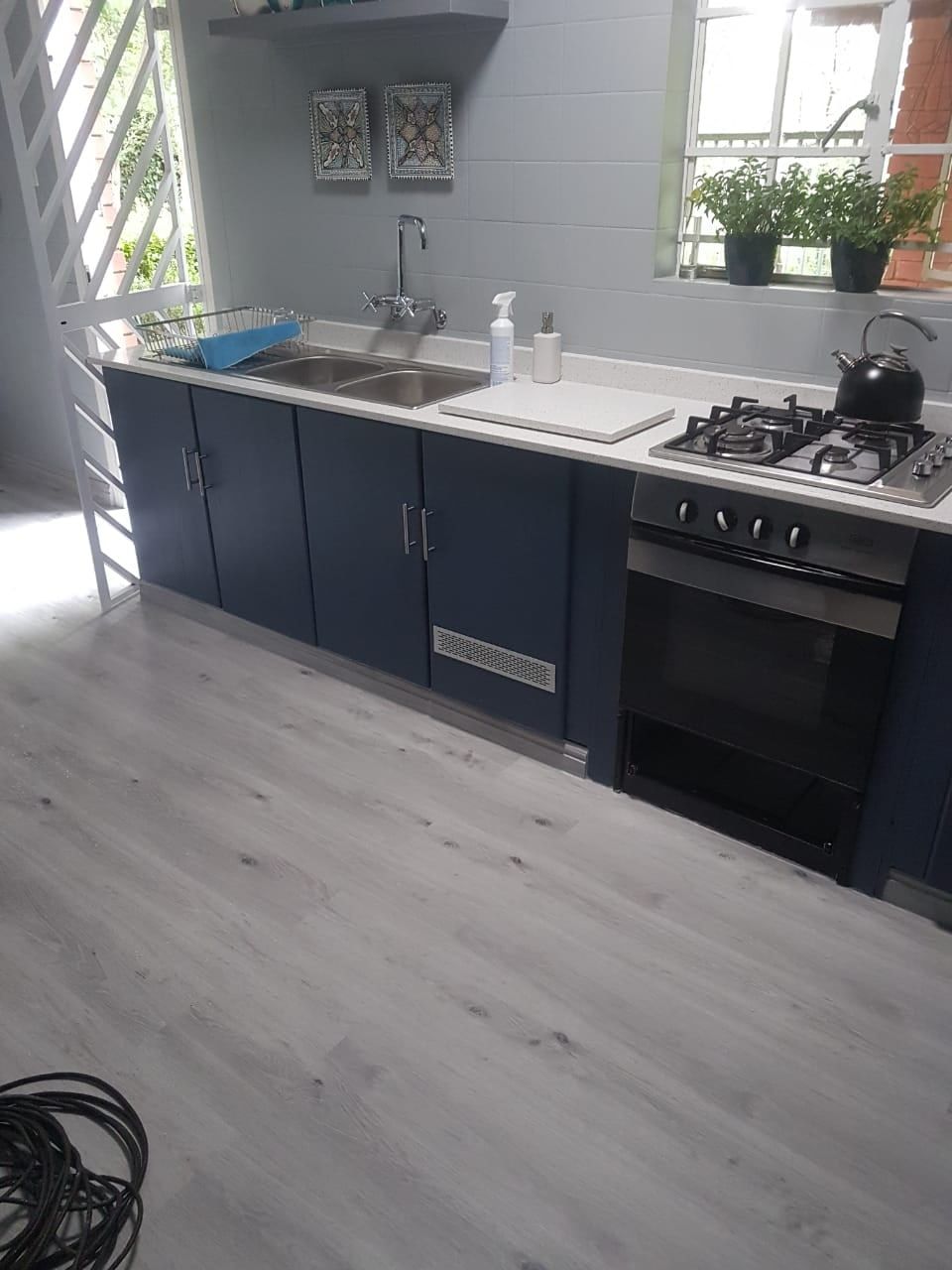
SPC flooring gives you the warmth and look of real wood with a rigid stone core that shrugs off water, heat and heavy traffic. It clicks together over your existing floor, so your new room is ready in a day, not a week.
What is SPC?
The next generation of vinyl flooring
SPC (stone plastic composite) flooring is an upgrade on traditional luxury vinyl tiles (LVT). Its core is made from natural limestone powder, PVC resin and stabiliser, combined into a dense, rigid board that doesn’t flex, swell or dent like softer floors.
On top of the core sits a deep-embossed décor film that captures the texture of real timber, a 0.3 mm wear layer and a UV-protective coating. The planks lock together with a click system — no glue, no nails, no grout — and can be laid over concrete, ceramic tiles or most existing hard floors.
The result is a floor that looks like wood, performs better than laminate and is safe for the whole family: it contains no formaldehyde and is anti-mildew and anti-bacterial.
| Type | SPC rigid core luxury vinyl plank (Rigid Core LVP) |
|---|---|
| Core | Natural limestone powder, PVC resin and stabiliser |
| Thickness | 6 mm |
| Wear layer | 0.3 mm, with UV coating |
| Plank size | 180 mm × 1220 mm (7" × 48") |
| Weight | 1.8 kg per plank (8.2 kg/m²) |
| Surface | Deep embossed wood grain, micro-bevelled edges |
| Installation | Glue-free click-lock floating floor |
| Backing | Optional attached EVA, XPE or cork underlay |
| Brand | Camfly |
Full details: SPC specifications (PDF)
Watch
The floor built for real life
See our SPC flooring installed in homes and offices — the look of real wood with a rigid core that handles water, spills and busy family life.
- 100% waterproof — install it in kitchens and bathrooms
- Fire-retardant, anti-mildew and anti-bacterial
- Zero formaldehyde
Key advantages
Built for real life — kids, pets, spills and South African summers
100% waterproof
Install it in kitchens, bathrooms, laundries and basements without worrying about spills or mopping.
Fire-retardant
Flames self-extinguish within seconds and the flooring does not release toxic or harmful gases.
Zero formaldehyde
Anti-mildew and anti-bacterial, and tested against more than 179 hazardous substances.
Temperature stable
Handles -75°C to 80°C without curling. Shrinkage ≤ 0.002% and curling ≤ 0.2 mm (EN 434). Suitable for underfloor heating.
Tough & dent resistant
A high-density rigid core and strengthened click system make it much stronger than regular vinyl (LVT).
Fast, glue-free fitting
Clicks together over concrete, ceramic tiles or most existing hard floors — no glue, no grout.
How it compares
SPC vs laminate, vinyl (LVT) and ceramic tiles
Based on the manufacturer’s comparison chart.
| Feature | SPC flooring | Laminate | Vinyl (LVT) | Ceramic tiles |
|---|---|---|---|---|
| Waterproof | ||||
| Fire resistance | ||||
| Eco-friendly | ||||
| Wear resistance | ||||
| Stain (fouling) resistance | ||||
| Dent resistance | ||||
| Slip resistance | ||||
| Stability & sturdiness | ||||
| Easy & fast installation |
Want the full story? Read SPC flooring vs laminate: which is better?
Accessories
Everything you need for a professional finish
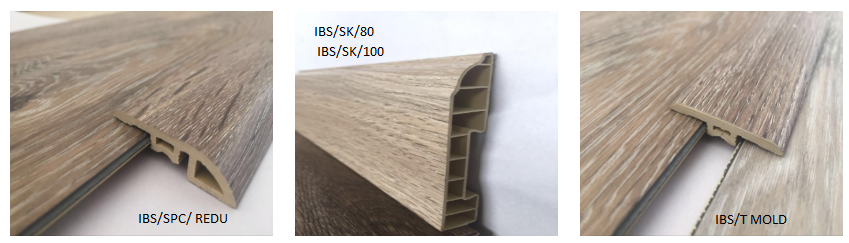
Skirting 802400 × 80 × 15 mm
Covers the expansion gap where the floor meets the wall.
Skirting 1002400 × 100 × 17 mm
A taller profile for a more substantial finish.
Reducer2400 × 43 × 10 mm
Transitions from SPC to a floor of a different height.
T-moulding2400 × 46 × 7 mm
Joins two floors of the same height, usually in doorways.
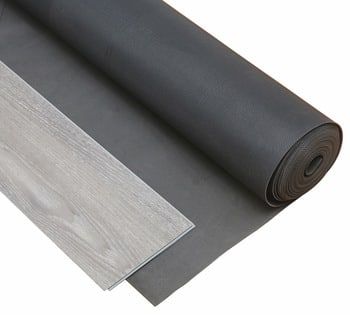
Underlay (EVA / IXPE)16.9 m × 1.1 m × 1.5 mm roll
Adds comfort underfoot and insulation against sound, moisture and heat.
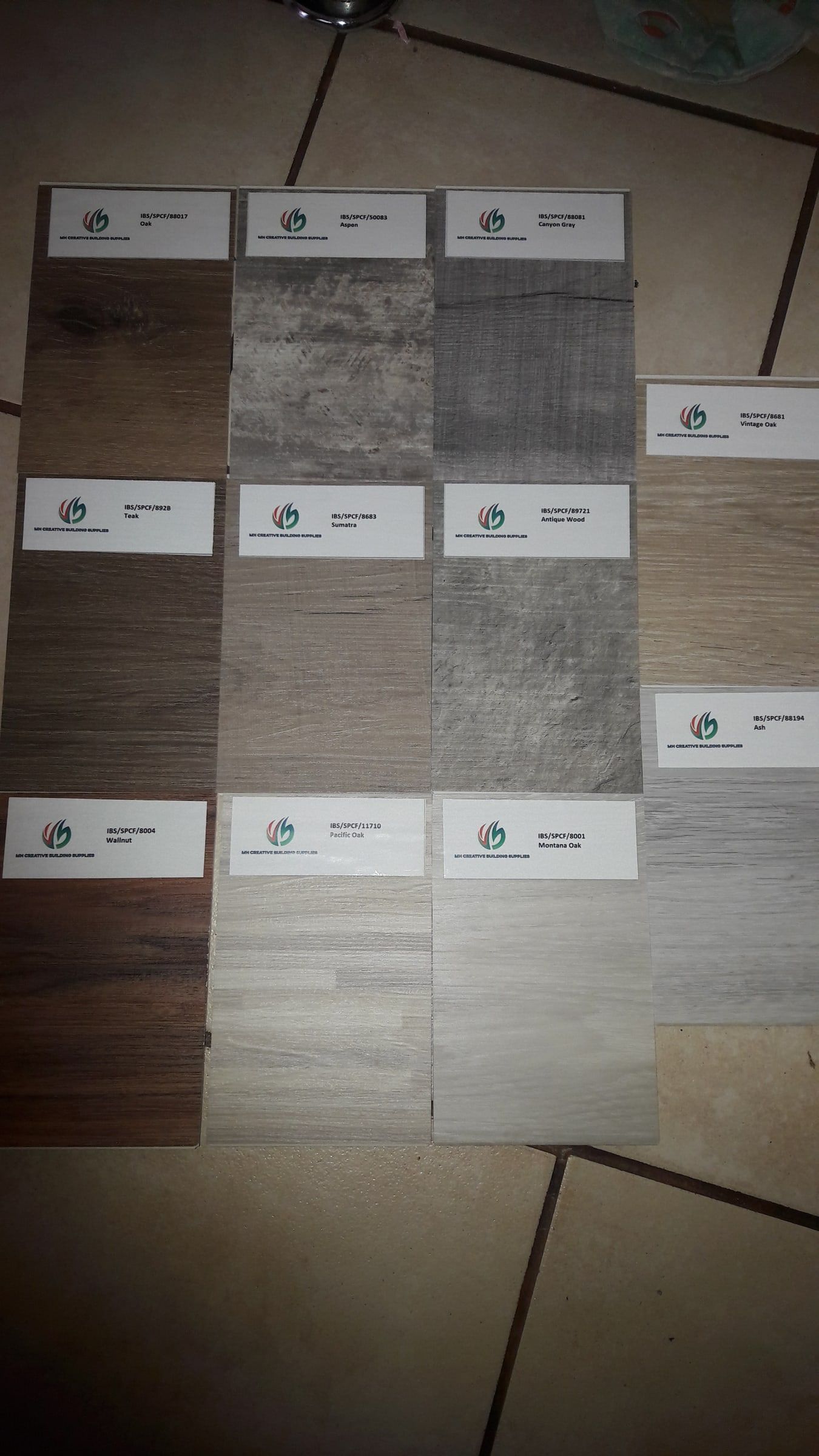
Available in a range of wood and stone-grey tones. Ask us which colours are in stock.
Installation
Preparing for your SPC floor
A great SPC floor starts with a good subfloor. Before installation:
- The subfloor must be clean, dry and structurally sound, and level to within 4.8 mm over a 3.3 m radius. Uneven floors should be screeded with self-levelling cement first.
- New concrete must be cured for at least 60 days.
- Remove carpet, cushioned vinyl, polish, paint and loose debris.
- Keep the room above 15°C during installation.
- Leave a 9.5 mm expansion gap around the walls (12 mm for rooms wider than 15 m) and stagger joints by at least 200 mm.
- Use only one layer of underlay, and check that doors can still open and close.
Download the SPC flooring installation guide (PDF) for the full 10-step method.
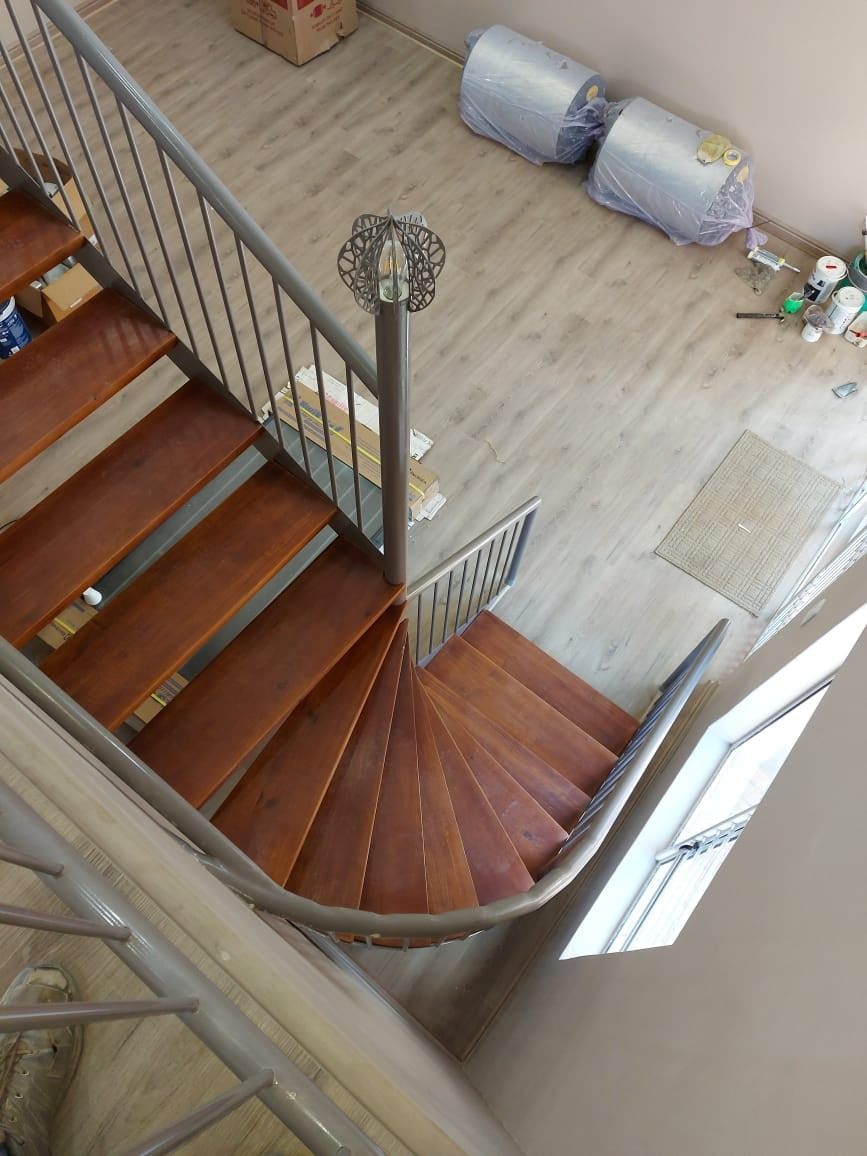
Recent work
SPC flooring projects
What is SPC flooring?
SPC stands for stone plastic (or stone polymer) composite. It is a rigid-core luxury vinyl plank made from natural limestone powder, PVC resin and stabilisers, topped with a printed wood-look film, a 0.3 mm wear layer and a UV coating. The rigid core makes it far more stable than ordinary vinyl.
Is SPC flooring really waterproof?
Yes — the planks themselves are 100% waterproof, so SPC can be installed in kitchens, bathrooms and laundries. Always wipe up standing water and seal the expansion gap around baths and showers with flexible caulking.
Can SPC flooring be laid over existing tiles?
Yes. SPC is a floating floor, so it can go directly over flat ceramic tiles, cured concrete or most existing hard floors. The subfloor must be clean, dry and level — the installation guide allows no more than 4.8 mm variation over a 3.3 m radius. Carpet and soft vinyl must be removed first.
Is SPC better than laminate flooring?
For most South African homes, yes. Laminate has a wood-fibre core that can swell if it gets wet, while SPC is fully waterproof, more dent resistant and more stable in heat. See our SPC vs laminate guide for a detailed comparison.
Can I use SPC flooring with underfloor heating?
Yes. Thanks to its very low expansion and shrinkage, the manufacturer specifies SPC flooring as suitable for underfloor heating.
Can I install SPC flooring myself?
Many DIYers do. You will need a level subfloor, 9.5 mm spacers for the expansion gap, a tapping block, a pull bar and a rubber mallet. Download the SPC installation guide (PDF) for the full method, or ask us about professional installation.
How do I look after SPC flooring?
Sweep or vacuum regularly and clean with a damp mop. Use felt pads under furniture and soft-wheeled castors on office chairs — ball-type castors can damage the surface.
Get a quote for SPC flooring
Tell us the size of your rooms and the look you like. We’ll recommend colours and accessories and send you a clear quote.