
Ceilings
PVC Ceilings vs Gypsum Ceilings: Pros, Cons and Where Each Works Best
Gypsum has been the default ceiling in South African homes for decades, but PVC is quickly catching up. We compare the two honestly so you can choose the right ceiling for each room.
By MH Creative Building Supplies · · 6 min read
The short answer
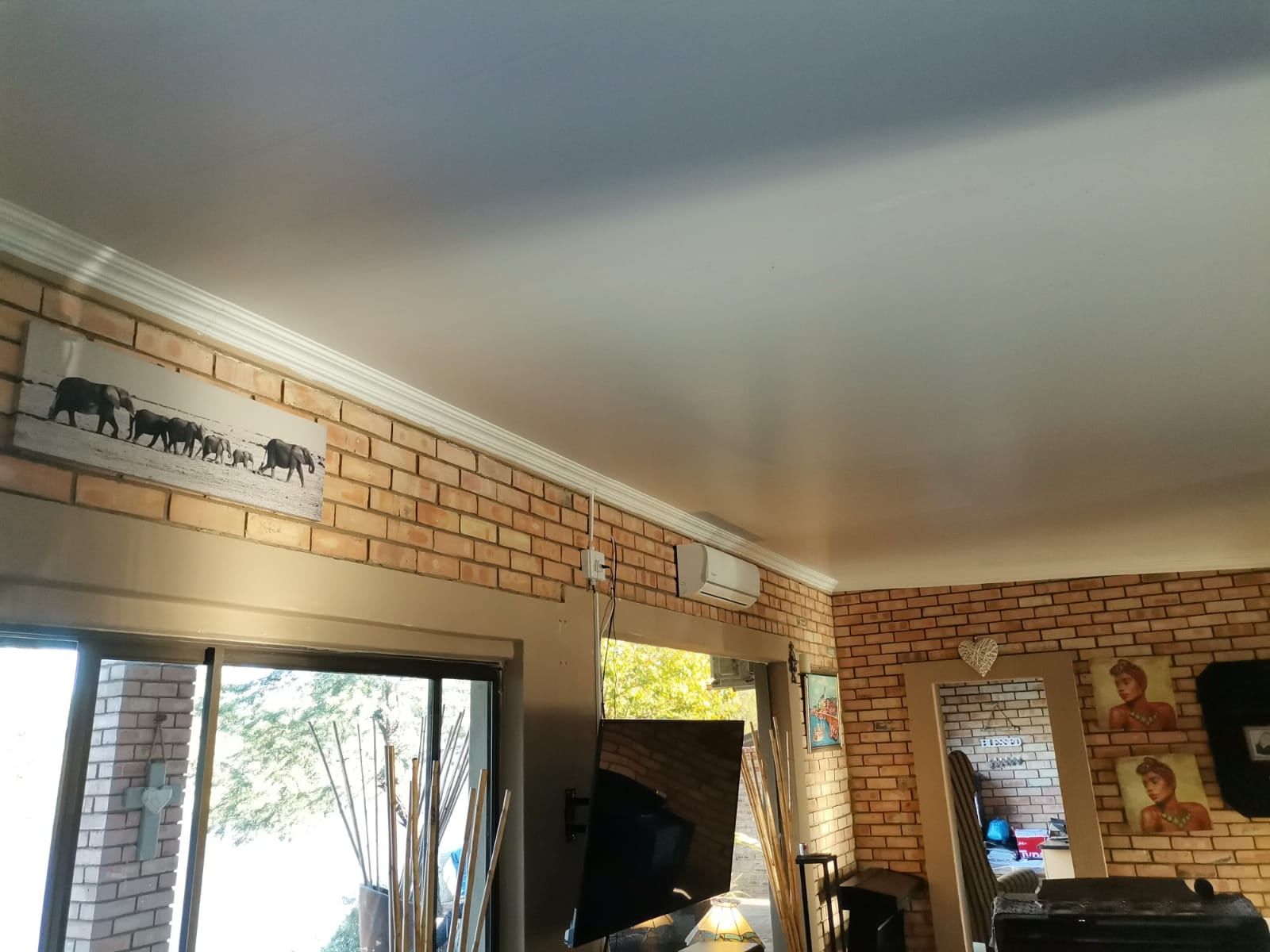
Choose PVC for bathrooms, kitchens, covered patios and anywhere moisture or maintenance is a concern. Choose gypsum where you want a completely seamless, painted finish in a dry room.
How each ceiling is made
A gypsum ceiling is made from gypsum plasterboard nailed or screwed to brandering. The joints are taped and skimmed with plaster, then the whole ceiling is sanded and painted. Done well, it gives a flat, seamless finish.
A PVC ceiling is made from tongue-and-groove PVC panels that lock together and screw to a light timber or steel framework. The screws are hidden in each joint, and the panels arrive pre-finished in your chosen colour or pattern — there is no plastering or painting.
PVC vs gypsum compared
| Factor | PVC ceiling | Gypsum ceiling |
|---|---|---|
| Water & humidity | 100% waterproof; won’t sag, stain or grow mould | Can sag, stain and crumble if it gets wet |
| Finish | Pre-finished; fine panel joints visible | Seamless once skimmed and painted |
| Maintenance | Wipe clean; never needs painting | Repainting every few years; cracks at joints may need repair |
| Installation | Fast and clean; no wet trades | Taping, skimming, sanding and painting add time and mess |
| Weight | Lightweight | Heavier boards |
| Fire | Our range has passed National Fire Protection Inspection tests | Gypsum is naturally fire resistant |
| Heat limits | Keep away from heat above 60°C and direct sunlight | Tolerates heat well |
| Repairs | Damaged panels can be replaced individually | Patching, skimming and repainting |
Where PVC ceilings shine
Bathrooms and kitchens
Steam and condensation are the enemy of painted gypsum: paint peels, mould spots appear and boards can eventually sag. A PVC ceiling simply doesn’t absorb moisture, and a quick wipe keeps it clean.
Covered patios and lapas
Outdoor entertainment areas see humidity, dust and the occasional wind-driven rain. PVC gives a bright, clean finish that stays that way — as long as the panels are under cover and out of direct sunlight.
Renovations on a deadline
Because there’s no plastering or painting, a PVC ceiling can often be installed and finished in a day or two, with far less dust and disruption — a big plus when you’re living in the house.
Where gypsum still makes sense
If you want a completely seamless, flat-painted look in a dry lounge or bedroom, or you plan to install recessed lighting with very specific detailing, gypsum remains a great option. It’s also a natural choice near heat sources, where PVC should be avoided.
Finishing touches
Whichever ceiling you choose, the details make the difference. PVC ceilings are finished with matching PVC cornices, jointers, edge trims and LED downlights, and insulation can be installed above the panels for better comfort and energy efficiency.
Our verdict
For most South African homes, PVC is the smarter choice in wet and high-maintenance areas, and a strong option everywhere else thanks to its fast installation and zero repainting. Gypsum still wins where a seamless painted finish is the priority.
Thinking of doing it yourself? Read how to install PVC ceiling panels.